







Advice
JAMB Form Sponsorship: Genuine Youth Support or Seasonal Political Gesture?

The annual debate over the sponsorship of Joint Admissions and Matriculation Board registration (JAMB) forms has once again returned to the national conversation, raising deeper questions about youth development, political optics and long term education reform in Nigeria.
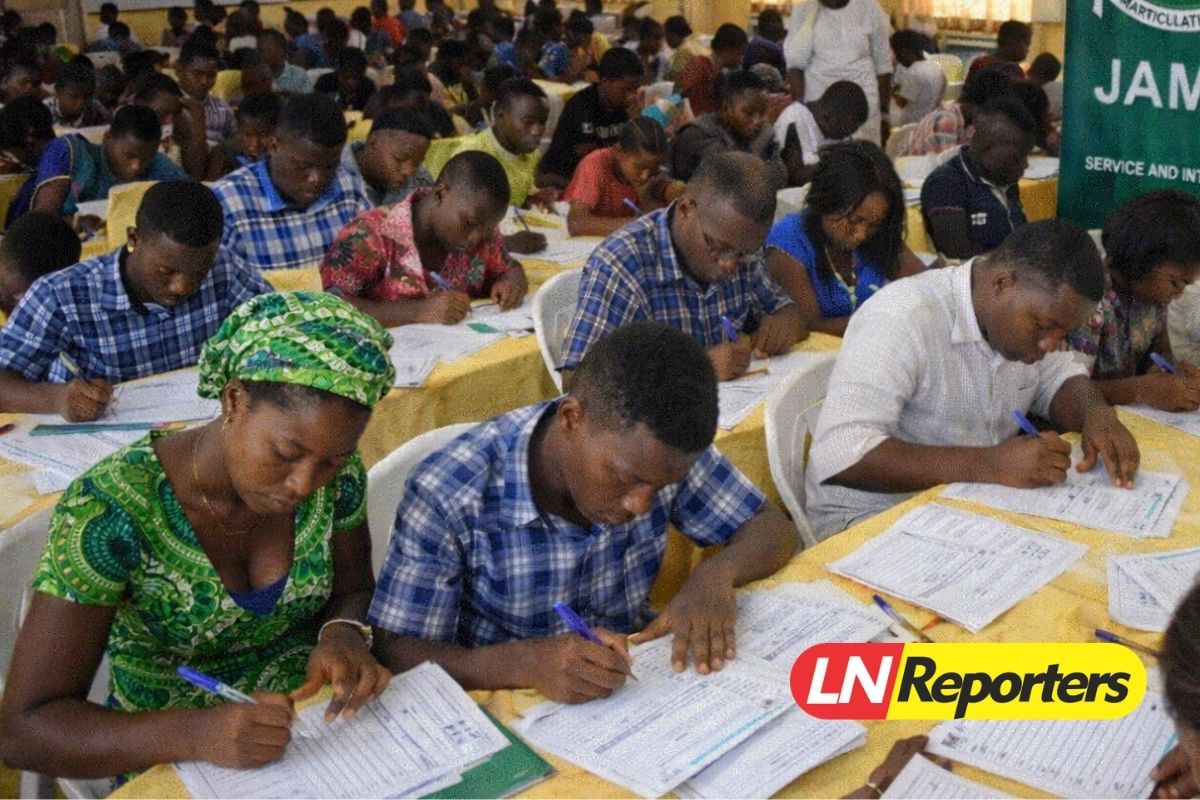
In recent years, it has become common for political office holders, aspirants, religious institutions and corporate bodies to announce large scale sponsorship of JAMB forms for students within their constituencies. The gesture is often framed as an investment in the future and a demonstration of commitment to educational advancement. Billboards are mounted, press statements are issued and distribution ceremonies are organised.
However, policy analysts and education experts argue that while such interventions may provide temporary relief, they do not address the structural challenges confronting Nigerian youth.
For many low income households, the cost of a JAMB form is not insignificant. In communities where families struggle to meet basic needs, removing the financial barrier to registration can make the difference between attempting the examination and abandoning the ambition altogether. In that sense, sponsorship schemes cannot be dismissed as meaningless.
Yet, according to education development consultants, the deeper problem lies beyond registration fees. Nigeria’s public secondary education system continues to grapple with inadequate infrastructure, overcrowded classrooms, shortage of qualified teachers and limited access to learning materials. In rural areas, students often prepare for highly competitive entrance examinations without stable electricity, internet connectivity or structured academic guidance.
Experts note that paying for an examination form does not automatically translate into admission, nor does it guarantee academic success. Without preparatory support, mentorship and career counselling, many beneficiaries remain ill equipped to compete effectively.
There is also a broader policy question. Nigeria’s youth bulge continues to expand, with millions entering the labour market annually. University admission spaces remain limited, and graduate unemployment remains high. Development economists argue that an overemphasis on university access, without equal investment in vocational education, technical training and entrepreneurship, risks reinforcing an already strained system.
Political analysts observe that JAMB sponsorship has increasingly taken on a symbolic dimension. In a country where youth unemployment and educational inequality are politically sensitive issues, the act of buying forms provides visible and immediate political capital. It is easier to distribute forms publicly than to reform curriculum standards, modernise technical colleges or expand industrial capacity.
Some experts advocate for a shift in focus. They suggest that if public officials and philanthropists are serious about youth empowerment, interventions should include free coaching programmes, digital literacy training, career guidance workshops and partnerships with industries to create apprenticeship pipelines. Long term impact, they argue, requires sustained investment rather than one off announcements tied to examination seasons.
Transparency is another emerging concern. Education policy observers have called for data on how many sponsored candidates actually secure admission and complete their programmes. Without measurable outcomes, it becomes difficult to assess whether such initiatives are transformative or merely performative.
The JAMB form debate therefore reflects a larger national dilemma. Is youth development being approached as a comprehensive strategy, or as a recurring public relations exercise? While sponsorship may remove an immediate obstacle for individual students, the long term solution lies in strengthening the education system, expanding economic opportunities and aligning learning with labour market realities.
As Nigeria continues to confront the pressures of population growth, economic uncertainty and democratic expectations, the conversation must move beyond who pays for forms to how the country prepares its young people for sustainable futures. Supporting youth requires more than access to examinations. It requires systemic reform, policy consistency and economic inclusion.
Get Social, Follow us for more news