







Latest News
Oil Prices Could Hit $150 If Strait Of Hormuz Disruption Persists, Says Goldman Sachs

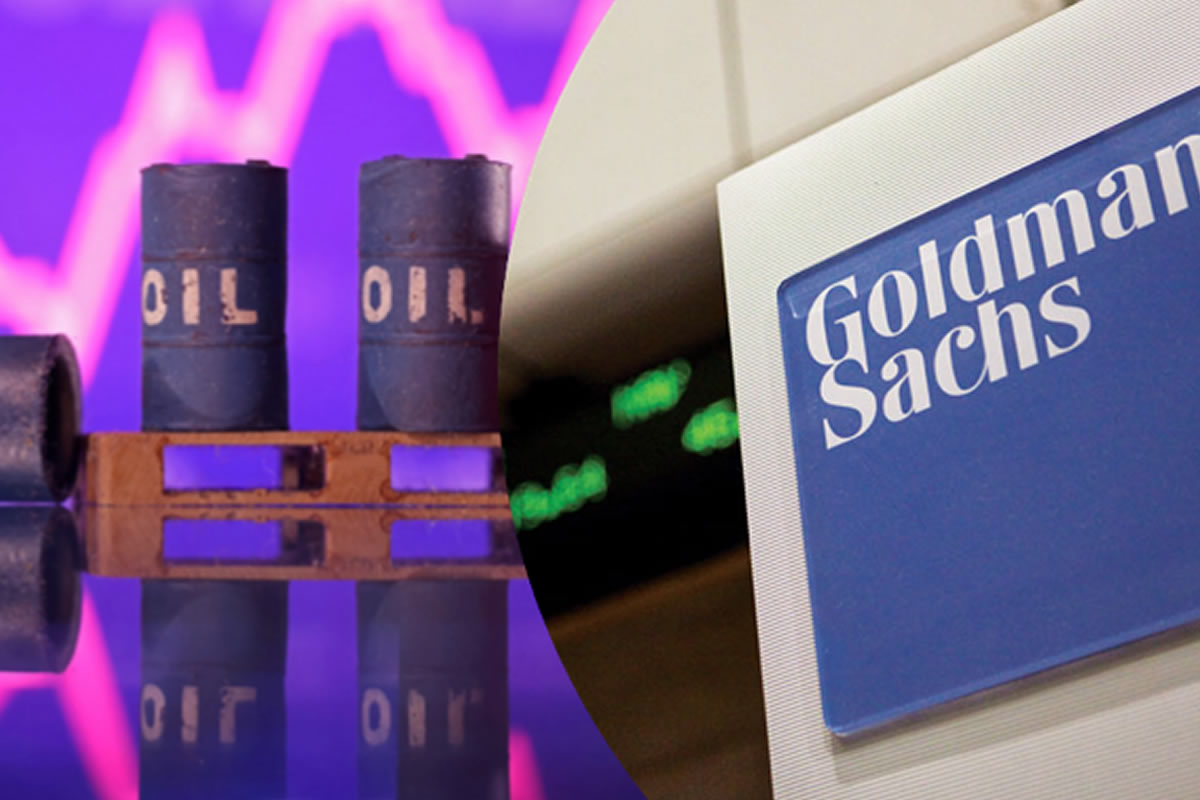
Goldman Sachs warns oil could hit $150 a barrel as Strait of Hormuz flows fall to 10%
Global oil prices could surge past $100 a barrel within days and potentially reach $150 by the end of the month if disruptions to crude shipments through the Strait of Hormuz continue, according to a warning from Goldman Sachs.
The investment bank said oil flows through the critical maritime route — which links major Middle Eastern producers to global buyers — have dropped far more sharply than it initially projected following the recent US‑Israeli attack on Iran.
Goldman Sachs had expected crude flows through the strait to fall to about 15% of normal levels. However, Iran’s effective blockade of tankers moving through the narrow waterway means that only about 10% of the oil cargoes that usually transit the route have been able to pass.
In a note to clients on Friday, the bank said the disruption represented a shock far greater than earlier global supply crises.
“Based on these new data, developments and the size of the shock, we now think that oil prices would likely exceed $100 next week if no signs of solutions emerge by then,” the bank said.
“We now also think it’s likely that oil prices, especially for refined products, would exceed the 2008 and 2022 peaks, if Strait of Hormuz flows were to remain depressed throughout March.”
Goldman Sachs said its analysis suggested the impact on global oil flows last week was 17 times larger than the peak production loss recorded in April 2022 after Vladimir Putin ordered the Russian invasion of Ukraine, which pushed crude prices to around $110 a barrel.
The international oil benchmark briefly climbed above $120 in 2022 and reached about $145 during the 2008 energy crisis, both episodes that triggered severe consequences for the global economy.
Prices have already begun to climb sharply. Oil rose above $90 a barrel late last week, marking the biggest weekly gains since the COVID‑19 pandemic six years ago, including a $10 jump in a single day on Friday.
Trading on weekend markets run by IG Group indicated further increases, with US crude priced above $94 a barrel on Sunday — signalling a likely rise when global financial markets reopen.
According to Clayton Seigle, a senior fellow at the Center for Strategic and International Studies, markets are increasingly accepting that the supply shock could persist.
“The grace period given by the market to the Trump administration expired at the end of last week,” Seigle said.
“A deficit of 20m barrels per day is hitting global oil market balances with no sign of relief. To the contrary, President Donald Trump is demanding unconditional surrender, a very unlikely prospect. While observers may have initially thought his disregard for painful oil prices was a bluff, it’s now clear that it isn’t.”
Oil prices have already surged more than 50% this year, rising from roughly $60 a barrel at the start of 2026. Gains had begun gradually in January and February before accelerating sharply after the US-Israeli attack on Iran just over a week ago.