






Health
How to Combat Skin Dryness & Sensitivity During Pregnancy

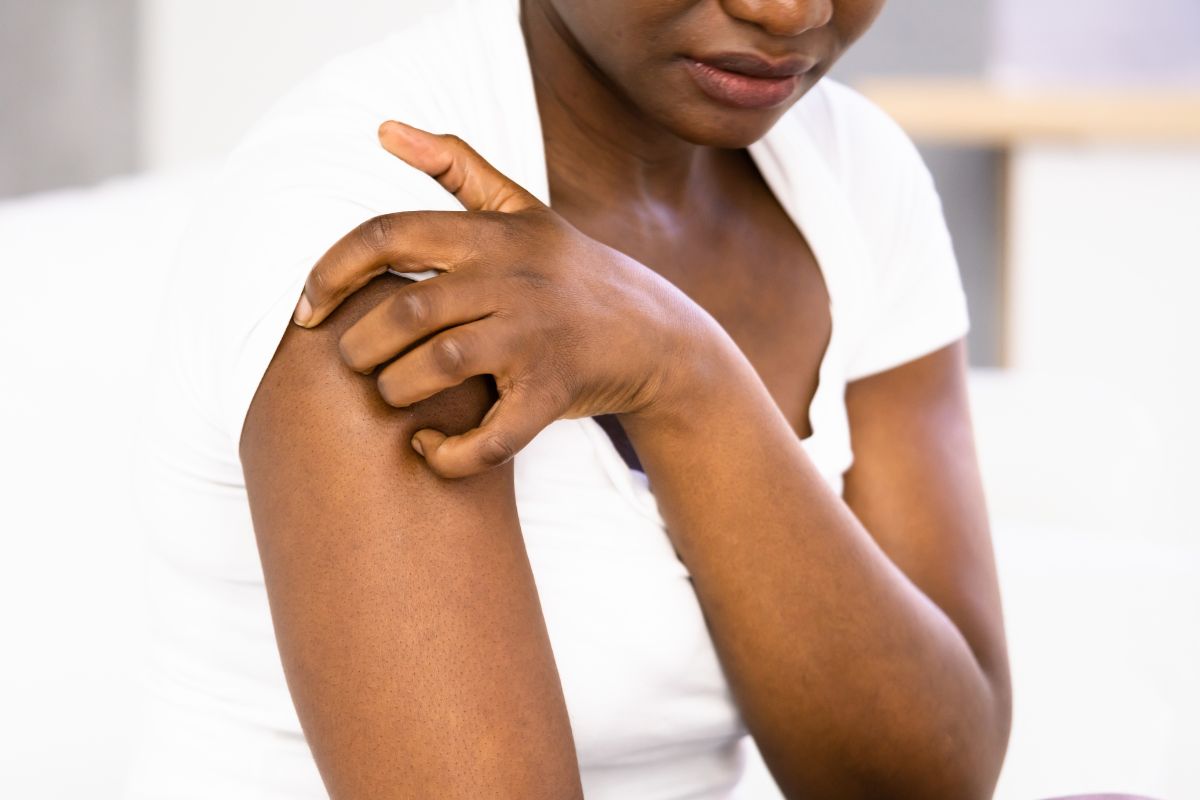
Pregnancy is a period of profound physical change, and the skin is often one of the first organs to reflect this transition. While stretch marks and pigmentation are commonly discussed, dryness and heightened sensitivity are equally widespread. A 2025 article published in MDPI reports that up to 90 percent of pregnant women experience some form of skin change. These may include normal physiological changes, flare-ups of pre-existing skin conditions, or pregnancy-specific dermatoses. Despite how common they are, dryness and sensitivity during pregnancy are rarely addressed in everyday conversation.
Understanding why these changes occur can help expectant mothers feel more prepared and less concerned. During pregnancy, levels of oestrogen and progesterone rise significantly. These hormonal shifts influence oil production, blood flow, and the function of the skin barrier. In some women, increased hormone levels stimulate the oil glands, leading to breakouts or an oilier complexion. In others, the skin barrier becomes disrupted, resulting in dryness, tightness, flaking, or increased reactivity to products that were once well tolerated. Some women experience a combination of oiliness and dehydration at the same time, which can be confusing and frustrating.
The skin barrier plays a crucial role in maintaining moisture and protecting against environmental irritants. When this barrier is weakened, water escapes more easily from the skin’s surface, leading to dryness and discomfort. At the same time, irritants can penetrate more readily, increasing sensitivity. These changes are a normal part of pregnancy, but they often require adjustments in skincare habits.
Managing dryness and sensitivity during pregnancy begins with simplifying the skincare routine. Harsh exfoliants, strong acids, heavily fragranced products, and foaming cleansers that leave the skin feeling tight can further disrupt the barrier. A gentler approach is recommended. Cleansing with a mild, fragrance-free product and applying a nourishing moisturiser regularly can significantly improve comfort. Moisturising immediately after bathing, while the skin is still slightly damp, helps lock in hydration.
When choosing products, certain ingredients can offer meaningful support. Hyaluronic acid is a well-known humectant that attracts water into the skin and helps relieve tightness without clogging pores. Ceramides are lipids naturally present in the skin barrier and are particularly helpful in restoring and strengthening it. Azelaic acid can be beneficial for those experiencing breakouts alongside sensitivity, as it has anti-inflammatory properties and is often considered suitable during pregnancy when used appropriately.
In addition to topical care, small lifestyle adjustments can also make a difference. Using lukewarm rather than hot water for washing, avoiding prolonged exposure to very dry air, staying well hydrated, and applying sunscreen daily can all support overall skin health. Pregnancy can increase photosensitivity, so protecting the skin from ultraviolet exposure remains important.
Most pregnancy-related dryness and sensitivity are mild and manageable. However, if symptoms persist, worsen, or are accompanied by severe itching or widespread rash, it is important to consult a GP or dermatologist. A medical professional can determine whether the symptoms are due to simple barrier disruption or a specific pregnancy-related skin condition. In some cases, prescription treatments such as mild topical steroids may be recommended under supervision.
Skin changes during pregnancy are common and usually temporary. With a gentle, supportive approach focused on hydration and barrier repair, most women can maintain comfortable and healthy skin throughout this unique stage of life.