




News
Iran Says World Cup Participation Unlikely After US Killing Of Supreme Leader Khamenei

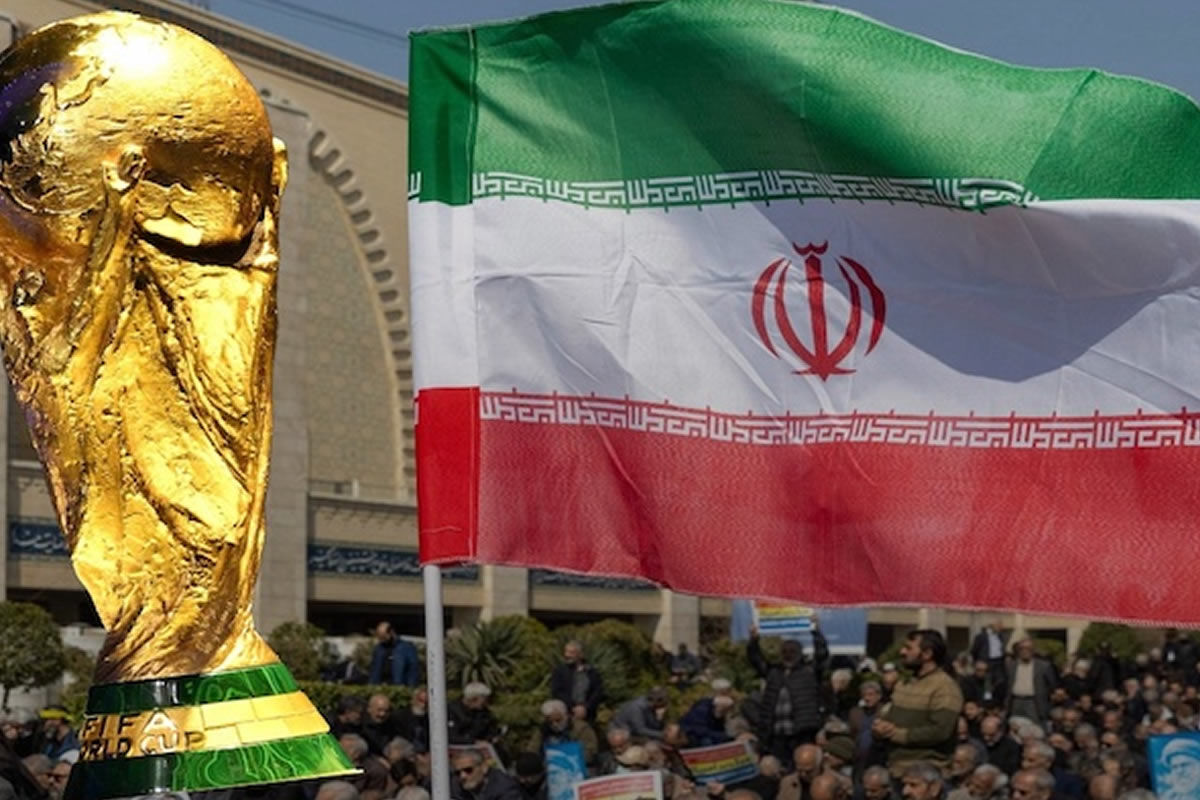
Iran’s government says it may not allow its national football team to compete in the 2026 FIFA World Cup after the United States killed Iran’s supreme leader, Ali Khamenei, during the ongoing conflict between the two countries.
Speaking on state television, Ahmad Donyamali said it would be impossible for Iran’s national football team players to travel to the United States for the tournament because of security concerns.
“Due to the wicked acts they have done against Iran they have imposed two wars on us over just eight or nine months and have killed and martyred thousands of our people definitely it’s not possible for us to take part in the World Cup,” Donyamali said.
Iran had already qualified for the 2026 tournament, which will be hosted by the United States, Canada, and Mexico from June 11 to July 19.
Under the current schedule, Iran is set to play its opening match against New Zealand national football team in Inglewood on June 15, before facing Belgium national football team on June 21. The team is then due to conclude its group stage matches against Egypt national football team in Seattle on June 26.
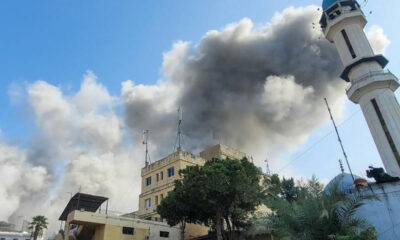
However, uncertainty over Iran’s participation grew after the United States and Israel began launching airstrikes on Iran on February 28.
Gianni Infantino, the president of FIFA, said Donald Trump had assured him that Iran would still be welcomed to compete in the tournament.
Infantino said he discussed preparations for the World Cup with Trump during a meeting and raised the issue of Iran’s qualification.
“We also spoke about the current situation in Iran and the fact that the Iranian team has qualified to participate in the FIFA World Cup 2026,” Infantino wrote on social media. “During the discussions, President Trump reiterated that the Iranian team is, of course, welcome to compete in the tournament in the United States.”
He added that global sporting events such as the World Cup help bring people together during times of conflict.
A White House official, speaking anonymously, confirmed that Trump had communicated that message to Infantino.
Still, Iranian football authorities have also expressed concerns about the team’s participation.
Mehdi Taj, president of the Football Federation Islamic Republic of Iran and a vice president of the Asian Football Confederation, said last week the attack had fundamentally changed the situation.
“What is certain is that after this attack, we cannot be expected to look forward to the World Cup with hope,” Taj said.
If Iran withdraws from the tournament, FIFA rules provide limited guidance on replacements, though one of Iraq or the United Arab Emirates could potentially take its place in Group G.
Separately, six members of Iran’s delegation from the AFC Women’s Asian Cup have been granted humanitarian visas in Australia after the team’s elimination from the tournament.
Five players initially sought asylum, and Tony Burke confirmed that another player and a member of the support staff later also indicated their desire to remain in the country, though one later chose to return to Iran.
Concerns about the players’ safety emerged after the team declined to sing the national anthem before their opening match against South Korea women’s national football team, drawing criticism from supporters of the Iranian government. The players later sang the anthem in subsequent matches.