




Latest News
Reform UK Proposes Visa Ban For Reparations-Seeking Nations

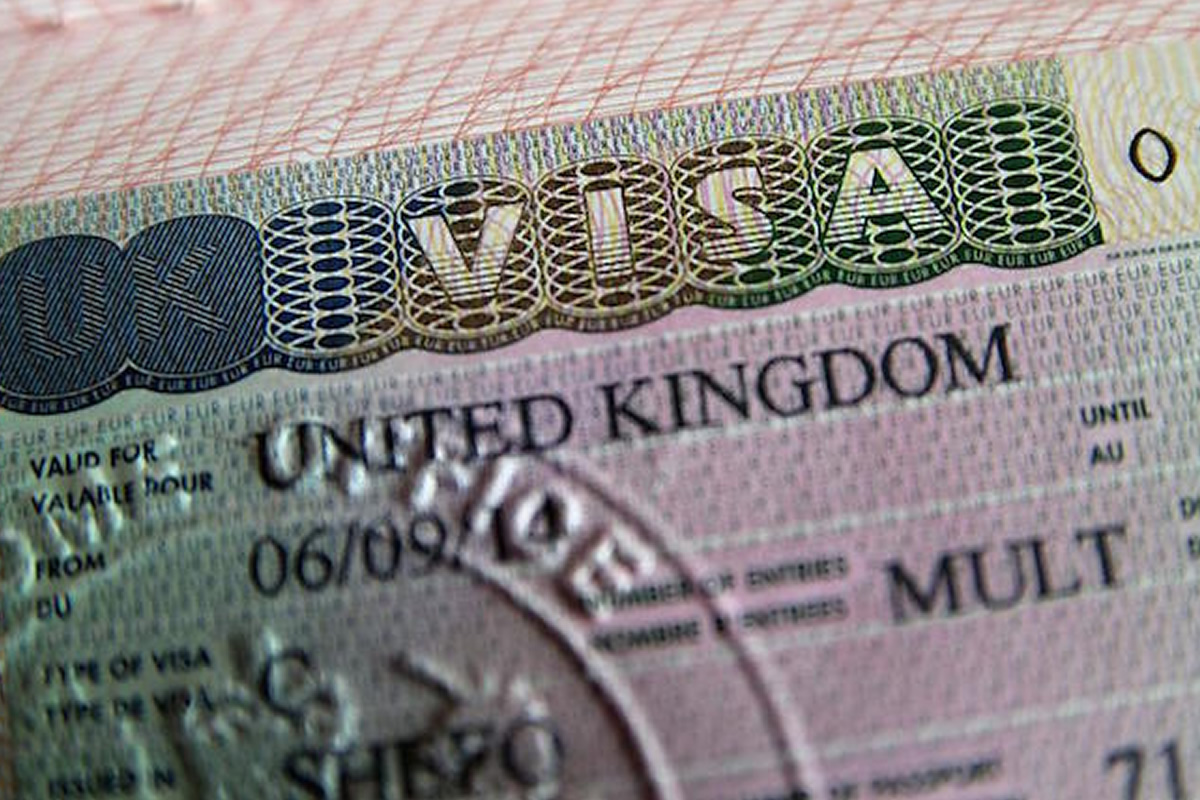
The UK-based populist party Reform UK has ignited widespread controversy after unveiling a proposal to deny visas to citizens of countries advocating reparations for transatlantic slavery, a move that has triggered sharp reactions from Caribbean leaders and international organisations.
The party, led by Nigel Farage, said it would “block visa requests from any country that demands slavery reparations,” directly targeting nations including Ghana and Jamaica both members of the Commonwealth and former territories within the British Empire.
The policy announcement was made on Tuesday by Reform UK, which, despite holding only eight seats in the UK Parliament, is currently leading several opinion polls ahead of the next general election expected by 2029, signalling its growing political influence.
The party’s position was further explained by its policy chief for home affairs, Zia Yusuf, who described calls for reparations as “insulting,” arguing they ignore Britain’s historical role in abolishing slavery and enforcing its prohibition globally. His remarks reflect a broader argument among some Western policymakers that present-day governments should not be held accountable for historical injustices.
However, the proposal drew immediate condemnation from the Caribbean Community (CARICOM), a bloc that has been at the forefront of the reparations movement. Its Reparations Commission, chaired by Hilary Beckles, described the policy as a “legacy of toxic racism” and urged Reform UK to reconsider its stance.
Speaking at a news conference, Beckles criticised the proposal as both “tragic” and punitive, arguing that it unfairly targets countries seeking redress for centuries of exploitation. He said, “Punishing the victims again is in fact consistent with those people at the time of emancipation who did not wish, to see the African people freed,” underscoring the depth of historical grievance tied to the reparations debate.
He further argued that the enduring economic disparities and racial inequalities in formerly colonised nations are direct consequences of slavery and colonialism, insisting that the demand for reparations is rooted in justice rather than opportunism.
The controversy comes amid renewed global momentum behind reparations advocacy. The African Union, CARICOM, and several Latin American countries have all intensified calls for compensation, formal apologies, and the return of looted cultural artefacts. These demands are increasingly framed not only as moral imperatives but also as necessary steps toward addressing structural inequalities that persist today.
Despite this growing push, opposition remains strong among Western governments. UK Prime Minister Keir Starmer has previously downplayed the issue, stating that he prefers to “look forward” rather than engage in what he described as “endless discussions about reparations on the past.”
The issue has also gained traction at the global level. Last month, the United Nations adopted a resolution proposed by Ghana declaring transatlantic slavery the “gravest crime against humanity” and calling for reparations. Notably, former colonial powers, including the United Kingdom, abstained from the vote, reflecting continued divisions on the issue.
Reform UK has not responded further to requests for comment following the backlash. However, its proposal has intensified debate over immigration policy, historical accountability, and the extent to which former colonial powers should address the enduring legacy of slavery.