






Health
Why Eye Tests Are Free but Dental Care Is Costly in the UK

A growing number of patients across the United Kingdom are questioning why routine eye tests are often free or subsidised, while access to dental care continues to come at a significant cost.
At the centre of the issue is how services are funded and prioritised within the National Health Service. Eye care, particularly sight tests, is widely supported through a combination of NHS funding and private sector participation. Many high street providers offer free eye tests, especially for individuals who qualify under NHS criteria such as children, pensioners, and those on certain benefits. In addition, some optical retailers absorb the cost of testing as part of their business model, expecting to recover it through the sale of glasses or contact lenses.
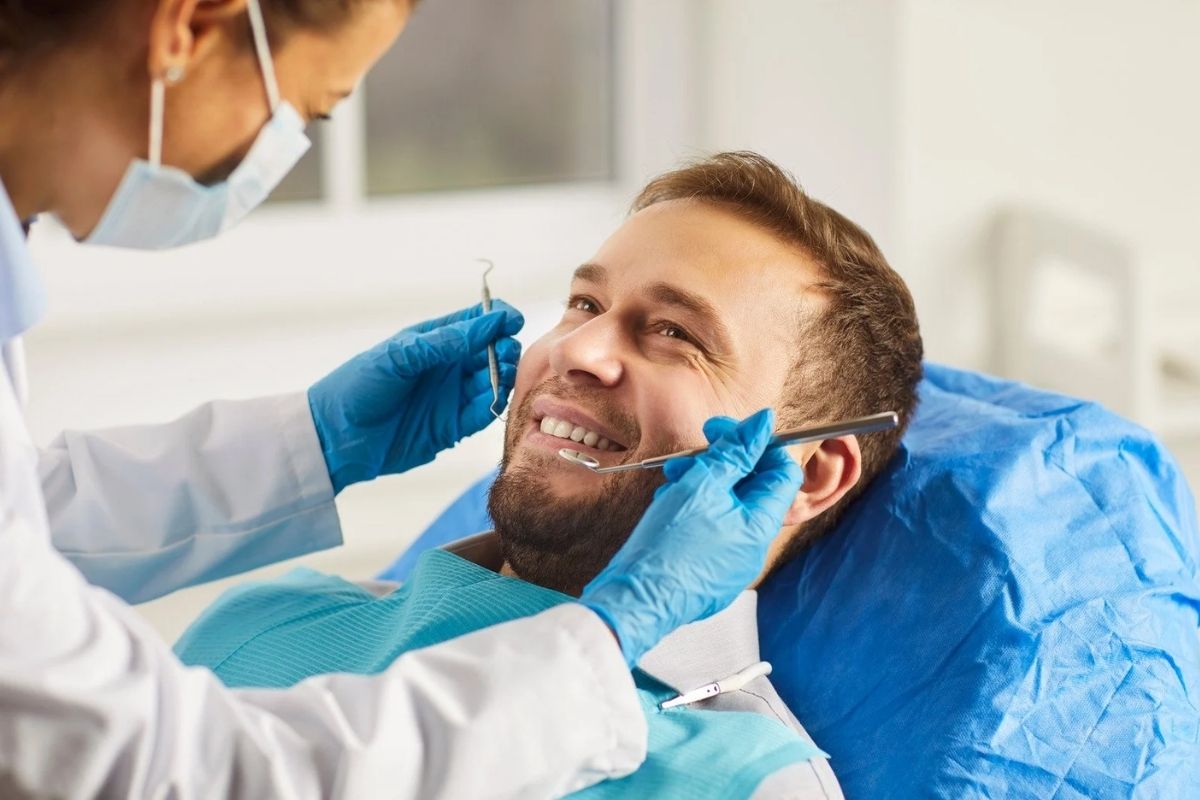
Dental care, however, operates under a different structure. While NHS dental services are subsidised, they are not free for most adults. Patients are required to pay set charges depending on the level of treatment, and these fees have increased over time. The result is that even basic procedures can feel expensive, particularly for those who do not qualify for exemptions.
Health experts say the disparity is rooted in long-standing funding arrangements. NHS dentistry is delivered largely through contracts with independent practices, many of which have raised concerns about the financial viability of providing NHS services. Dentists are paid under a system that some argue does not reflect the complexity or time required for certain treatments. This has led to a reduction in the number of practices offering NHS appointments, pushing more patients towards private care where costs are significantly higher.
The British Dental Association has repeatedly warned of a growing access crisis, with reports of patients struggling to register with NHS dentists in parts of the country. In contrast, eye care services remain more accessible due to broader provider participation and a retail-driven model that supports routine testing.
Public health advocates argue that the imbalance has wider implications. Poor access to affordable dental care can lead to untreated conditions, increased pressure on emergency services, and widening health inequalities. Tooth decay remains one of the most common reasons for hospital admissions among children in the UK, highlighting the consequences of delayed or inaccessible care.
Government officials maintain that support is available for those most in need, including free dental treatment for children, pregnant women, and individuals on qualifying benefits. However, critics say the current system leaves a significant portion of the population facing difficult choices between cost and care.
As demand for NHS dental services continues to outstrip supply, calls are growing for reform to ensure that oral health is treated with the same level of accessibility and priority as other areas of healthcare.
Get Social! Follow us for more news