







Opinion
Dantotsu Thinking: Why Quality Must Move Beyond Tools and Compliance

In recent years, discussions about quality management on professional platforms have become dominated by references to Lean, Six Sigma and ISO standards. These methods have their place and have helped many organisations improve their processes. However, an important question remains. Are organisations truly building systems that create lasting value, or are they simply applying tools that improve operations without transforming the entire business?
One concept that helps answer this question is Dantotsu, a Japanese management philosophy that refers to being clearly and consistently ahead of competitors. It is not about small improvements. It is about building a level of excellence that makes an organisation stand out in its industry. Dantotsu thinking encourages companies to move beyond internal efficiency and focus on creating real value for customers and society.
The idea behind Dantotsu can be understood as a journey of value creation. At the beginning of this journey, companies focus on developing strong and reliable products. Many organisations spend years improving product quality, reducing defects and ensuring that what they produce meets specification. This stage is important and forms the foundation of quality management. A company cannot compete effectively if its products are unreliable or poorly designed.
However, modern competition requires more than good products. The next stage is services. At this level, companies begin to pay attention to the entire customer experience. Delivery reliability, installation support, after sales service and customer assistance become part of the value offered. Customers do not only judge a company by the product they buy but also by the support they receive after purchase. Organisations that perform well in this area build stronger relationships and greater trust with their customers.
Beyond services lies an even higher level known as solutions. At this stage, organisations no longer focus only on selling products or supporting them through services. Instead they concentrate on solving the customer’s problems and helping the customer achieve better results. This approach requires collaboration across many departments within the organisation. Engineering, operations, logistics, finance and customer support must work together to deliver complete solutions rather than isolated products.
At the highest level of Dantotsu thinking, organisations focus on creating societal value. This means that businesses begin to solve wider social problems through the value they create for customers. When companies design solutions that improve safety, reduce waste, increase efficiency or improve accessibility, they are contributing positively to society while strengthening their business. In this way, business success and social impact become closely connected.
This progression from products to services, then to solutions and finally to societal value also requires organisations to improve their capability and speed of learning. As companies expand the value they offer, they must also develop stronger leadership, better teamwork and faster problem solving systems. Without these capabilities, organisations will struggle to move beyond basic improvements.
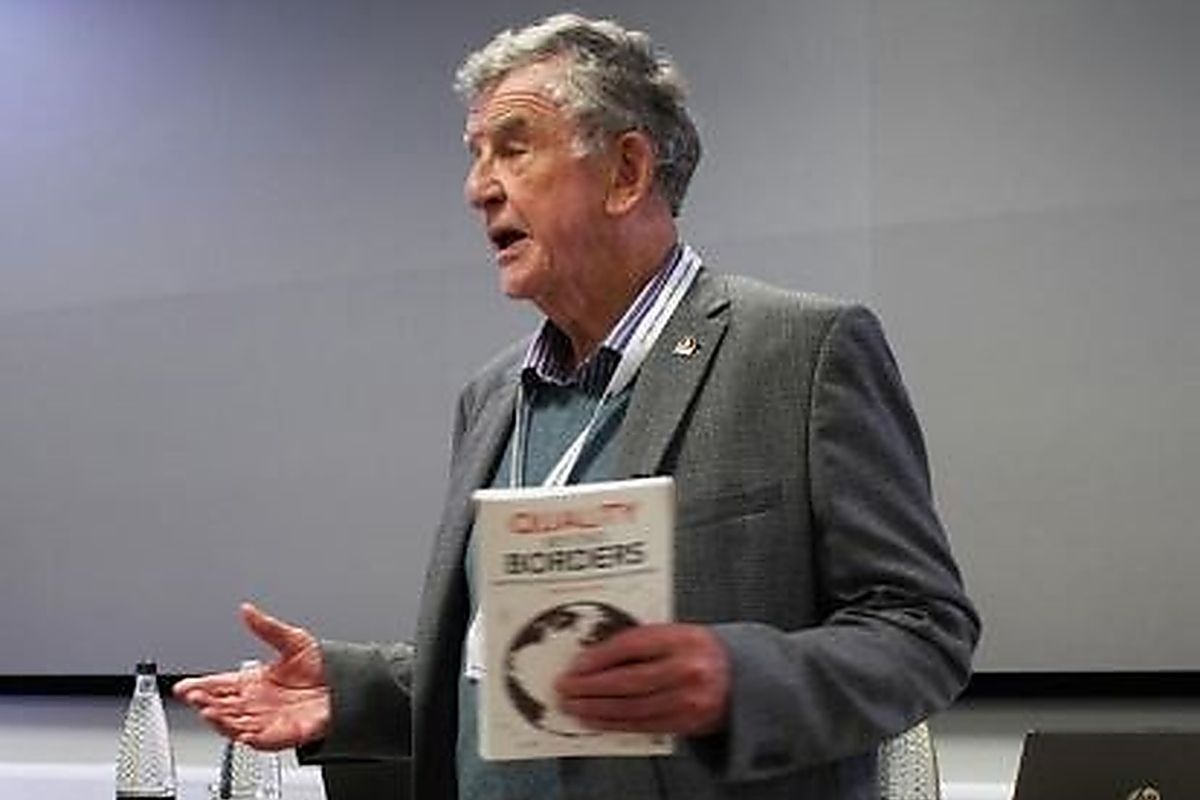
These realities highlight something I have observed throughout nearly fifty years of implementing Total Quality Management in organisations around the world. In hundreds of companies across more than fifteen countries, the decision to adopt TQM has rarely come from a quality department. In almost every case, it was the Chief Executive Officer and the executive leadership team who decided to implement it.
This raises an important question. Why would senior leaders choose to lead such initiatives themselves instead of relying on their quality departments? In my opinion, the reason lies in how quality departments often present their role. Many focus mainly on audits, documentation, compliance and certification. These activities are important, but they do not demonstrate the strategic value that quality management can bring to an organisation.
At the same time, many discussions within the quality community have become heavily focused on tools. It is common to hear professionals talk about Lean techniques, Six Sigma projects or ISO certification. Yet the broader management systems of Total Quality Management and Hoshin Kanri, which deal with leadership alignment, organisational direction and long term improvement, are rarely discussed.
When quality is seen mainly as a technical or compliance function, it naturally becomes separated from strategic decision making. However, true quality management is much more than that. It is a leadership philosophy that shapes how an organisation operates, how people work together and how value is created for customers.
This is where Dantotsu thinking becomes important. It reminds us that quality is not only about reducing defects or meeting standards. It is about building organisations that consistently deliver superior value. Quality professionals who understand strategy deployment, leadership alignment and customer value creation can play a major role in guiding their organisations towards long term success.
For many professionals in the field of quality, the opportunity is clear. Instead of focusing only on tools and compliance, they must begin to think at a broader organisational level. They must understand how quality principles connect with leadership decisions, customer needs and competitive advantage.
If quality professionals take this step, they can become key contributors to organisational transformation. They can help companies move from simply producing products to delivering services, from delivering services to providing solutions and from providing solutions to creating real value for society.
The future of quality management therefore depends on thinking bigger. The discipline already has the knowledge and principles required to guide organisations towards excellence. What is needed now is the willingness to apply that knowledge at the level of leadership and strategy.
When this happens, quality will no longer be seen as a department responsible for compliance. It will be recognised for what it truly is: a powerful system for building organisations that stand clearly ahead of their competitors while creating meaningful value for customers and society. That, in simple terms, is the true meaning of Dantotsu.