






Latest News
Global Currency Battle in Oil Trade: Why Iran’s Move Matters for Nigeria

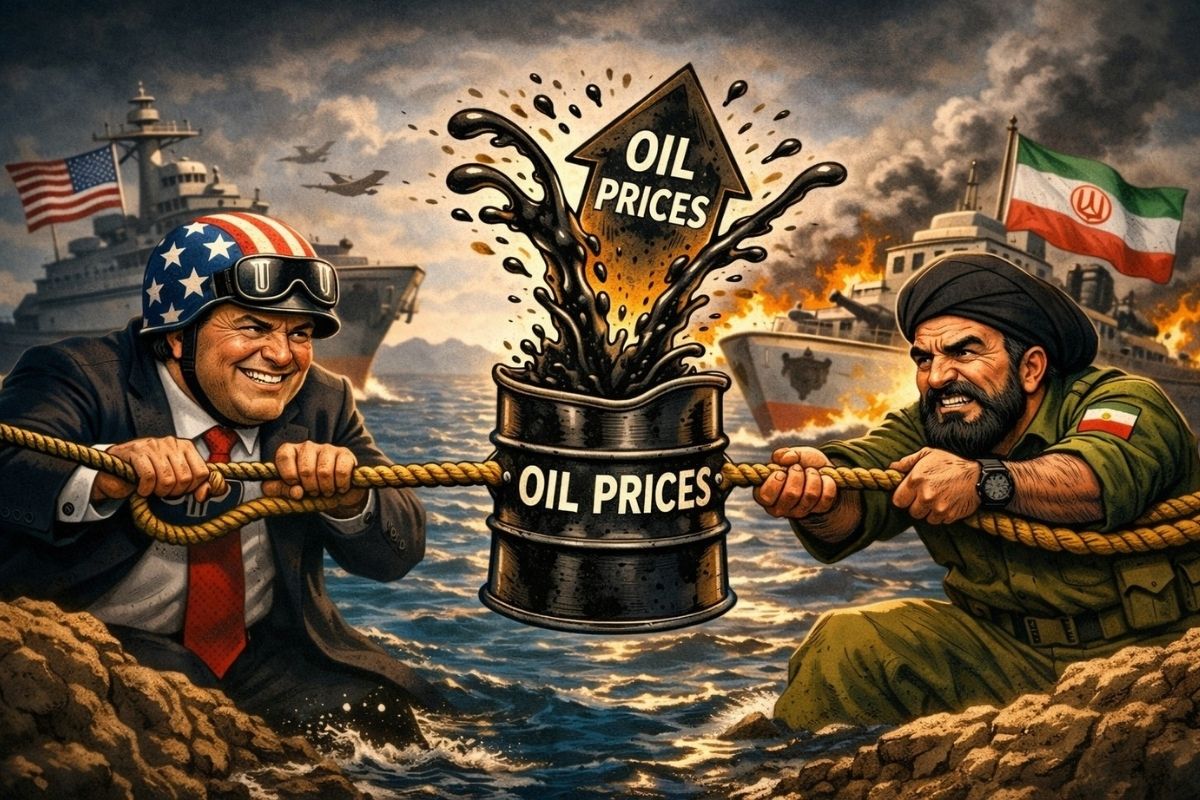
A fresh development in the global oil and financial system is drawing attention from economists and policymakers across the world. Iran’s recent proposal to link oil passage through the strategic Strait of Hormuz to payments in Chinese yuan has triggered debate about the future of the petrodollar and the balance of power in the global economy.
Tehran is reportedly considering allowing oil shipments to move freely through the narrow waterway on the condition that transactions are settled in China’s currency. The Strait of Hormuz remains one of the most critical energy routes in the world, with a significant portion of global oil supply passing through it daily. Any change in how oil trade in that corridor is conducted could have serious implications for international finance.
For decades, global oil trade has been largely dominated by the U.S. dollar. This system traces its roots to the mid-1970s when the United States reached a strategic agreement with Saudi Arabia following the collapse of the gold standard. Under the arrangement, Saudi oil exports were priced in dollars in exchange for security guarantees and technical support from Washington. Other oil-producing countries eventually adopted the same model.
The arrangement created a powerful global cycle. Countries around the world needed dollars to purchase oil, which ensured consistent demand for the American currency. Over time, this strengthened the United States’ position in global finance and allowed Washington to wield significant influence through the dollar-based banking system. Nations that fell out of favour with the U.S. could face restrictions or sanctions that limited their access to this system.
Iran’s new approach appears designed to weaken that structure. By proposing that oil transactions be conducted in Chinese yuan, Tehran is attempting to promote an alternative channel for global energy trade. The move is also seen as part of Iran’s broader effort to reduce the impact of U.S. sanctions by bypassing the American financial system.
For China, the development could present a major strategic opportunity. Beijing has long sought to expand the global use of the yuan in international trade. If oil transactions begin to shift toward the Chinese currency, it could strengthen the yuan’s role in the global financial system and gradually reduce reliance on the dollar.
The United States is expected to closely monitor the situation. Historically, Washington has treated challenges to the petrodollar as a strategic concern. Diplomatic pressure on allies and possible adjustments in military posture within the Gulf region may form part of its response. However, analysts caution that aggressive moves could raise tensions in global energy markets and drive oil prices higher.
Beyond the immediate geopolitical tension, the proposal also raises broader questions about the future structure of the global economy. Some analysts believe the world may gradually move toward a more diversified financial system where multiple currencies play important roles in international trade. Such a shift could reduce the dominance of any single currency in global markets.
The development could also test the unity of oil-producing countries within the Organization of Petroleum Exporting Countries. If Iran succeeds in promoting non-dollar oil transactions, other producers may consider similar arrangements, particularly with major buyers such as China.
For Africa and other developing regions, the situation presents both risks and opportunities. Many countries currently carry large debts denominated in U.S. dollars and face pressure when the dollar strengthens. A more diversified system of trade currencies could provide some flexibility, although it may also introduce new financial complexities.
Nigeria is among the countries closely watching these developments. As Africa’s largest oil producer, the country remains deeply connected to global energy markets. However, the Nigerian currency has struggled in recent years despite rising oil prices. The naira has weakened significantly against major global currencies, reflecting pressure from imports and heavy demand for dollars.
Economic experts say that the growing discussion around yuan-based trade could influence Nigeria’s financial strategy. The Federal Government has already been exploring ways to expand its currency swap agreement with China, which would allow businesses to settle certain transactions directly in yuan instead of converting through the dollar.
China remains Nigeria’s largest source of imports, with goods worth several trillion naira entering the country each year. Under the current system, many Nigerian traders must convert naira to dollars before converting the dollars to yuan to pay Chinese suppliers. This process increases demand for dollars and contributes to pressure on the naira.
If a portion of Nigeria’s trade with China or even some energy transactions begins to occur directly in yuan, it could reduce reliance on the dollar and ease pressure on foreign exchange reserves. Analysts believe this may help stabilise the naira if managed carefully by the Central Bank of Nigeria.
However, the transition carries risks. Nigeria’s external debt remains largely denominated in dollars. Any global financial shift that leads to higher interest rates in the United States could make it more expensive for Nigeria to service those loans.
Domestic developments may also influence Nigeria’s position in the changing energy landscape. The commencement of operations at the Dangote Refinery has already reduced the country’s reliance on imported petroleum products. Lower fuel imports mean fewer dollars leaving the economy, which could help ease pressure on the naira if sustained.
Economists say the long-term stability of the Nigerian currency will ultimately depend on broader economic reforms. Increasing local production, expanding non-oil exports, and maintaining strong monetary policies will be essential to building confidence in the naira.
Although the U.S. dollar remains the world’s dominant reserve currency, developments such as Iran’s proposal suggest that the global financial system may gradually evolve toward a more competitive environment. Multiple currencies could play larger roles in global trade in the years ahead.
For Nigeria, the changing landscape offers both challenges and opportunities. How policymakers respond to these shifts may determine whether the country can strengthen its economic resilience in an increasingly complex global financial order.
Related