International
Leadership Struggles Emerge As King’s Speech Takes Center Stage

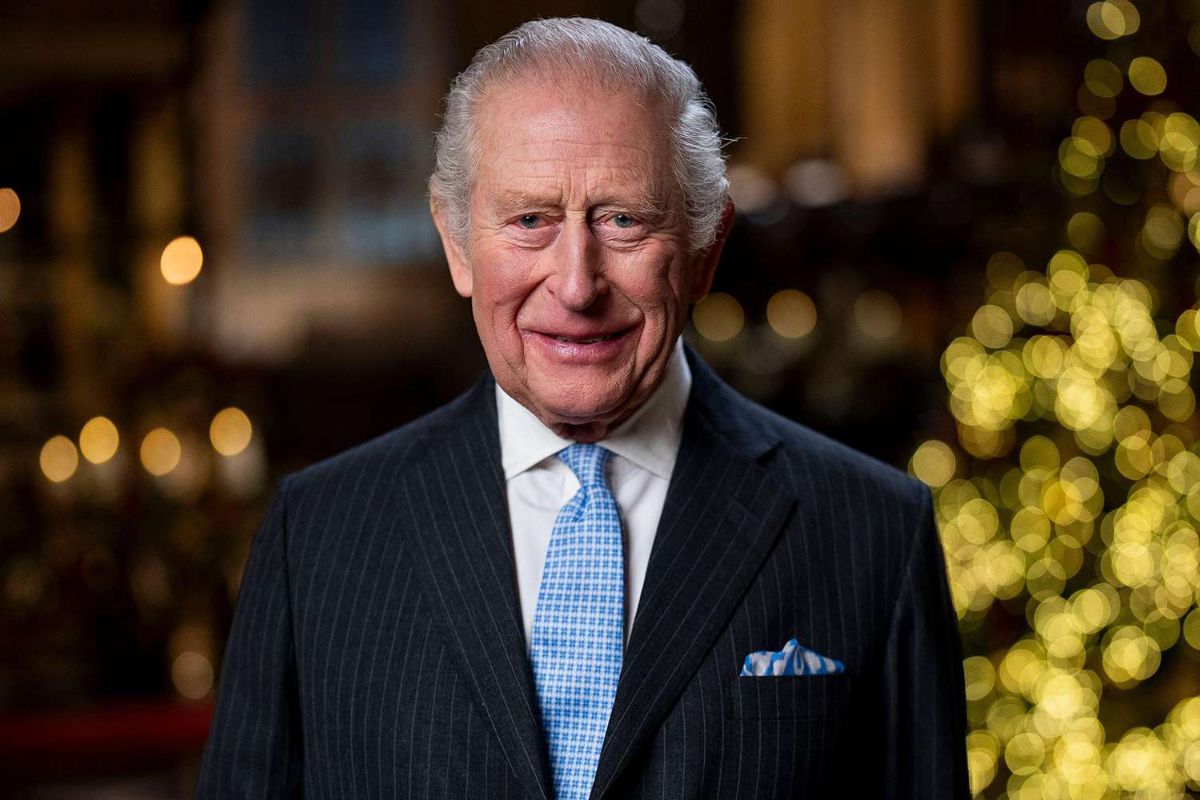
The pomp of a speech by King Charles III to Britain’s parliament Wednesday failed to quell speculation that a senior government minister is poised to launch a leadership challenge against embattled Prime Minister Keir Starmer.
But shortly before King Charles read out Starmer’s forthcoming legislative plans from a golden throne in the upper House of Lords, UK media reported that 43-year-old Streeting was preparing to quit government on Thursday to run for the top job.
The reports came after Streeting met Starmer at Downing Street early Wednesday for talks that lasted less than 20 minutes. A spokesman for Streeting did not respond to a request for comment from AFP.
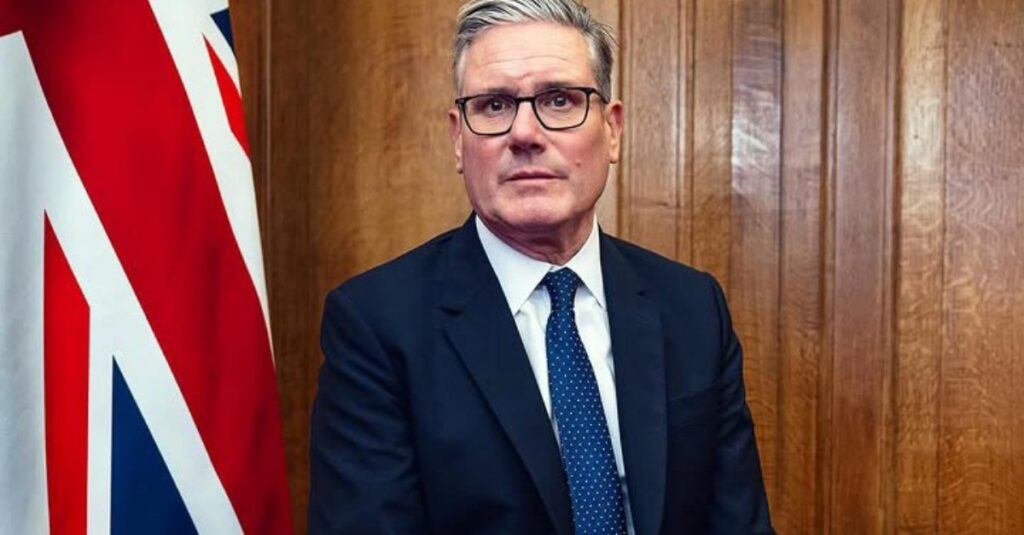
Open warfare has broken out in the Labour party over Starmer’s future following disastrous local election results last week.
The ballot-box drubbing followed months of scandal regarding the appointment, and sacking, of ex-Jeffrey Epstein associate Peter Mandelson as envoy to the US.
Some 110 Labour MPs have signed a statement saying now is not the time for a leadership contest — highlighting the deep divisions that Starmer’s team hope can keep him in power.
Union Snub
Streeting is popular on the right of Labour, but is disliked by MPs on the left who would prefer former deputy prime minister Angela Rayner or Greater Manchester Mayor Andy Burnham as leader.
Both however have obstacles to overcome before they would be able to run for the leadership.
Starmer suffered a further blow Wednesday when trade unions, which support the party and have a say in its decision-making, said a plan must be made to elect a new leader.
“It’s clear that the prime minister will not lead Labour into the next election,” not due until 2029, said TULO, which represents 11 unions.
Despite its name, the King’s Speech is not written by the monarch but by the government, which uses it to detail the laws it proposes over the next 12 months.
In the introductory notes, Starmer vowed to move “with greater urgency” to make Britain “stronger and fairer”.
His proposals, many of which have already been announced, include deepening Britain’s relationship with the European Union by giving ministers the power to align the UK with some laws without giving MPs a vote.
Black Rod
Other plans include fully nationalising British steel, reforming the asylum system, lowering the voting age to 16 and cracking down on ticket touts.
But questions remain over whether Starmer will even be around to implement them.
“It is clear his authority has gone and that he will not be able to deliver what little there is in this King’s Speech,” opposition Conservative leader Kemi Badenoch told parliament.
“This is a government less than two years in office which has already run out of ideas and run out of road.”
Under Labour party rules, Streeting will need the support of 81 Labour MPs, 20 percent of the party in parliament, to trigger a contest. Starmer has vowed to fight any challenge.
Rayner is still settling an unpaid tax issue, while Burnham is unable to stand currently as he is not an MP. His supporters want Starmer to lay out a timetable for his departure that allows Burnham to return to parliament and stand.
The day’s proceedings started when royal bodyguards ritually searched the basement of the Palace of Westminster for explosives – a legacy of the failed attempt by Catholics to blow up parliament in the 1605 Gunpowder plot.
Charles then travelled to parliament by carriage from Buckingham Palace, escorted by mounted cavalry.
As is tradition, one MP was ceremonially held “hostage” in the palace to ensure the sovereign’s safe return.
A parliamentary official known as Black Rod had the door of the lower House of Commons slammed in their face, a ritual that symbolises parliament’s independence from the monarchy.
MPs then followed Black Rod to the upper chamber, where Charles gave the speech to assembled lords and ladies in red and ermine robes, plus invited members of the elected Commons.
AFP