News
Sanusi Questions FG On Continued Borrowing Despite Subsidy Removal

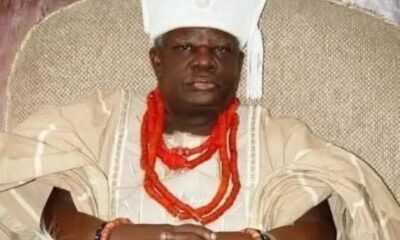
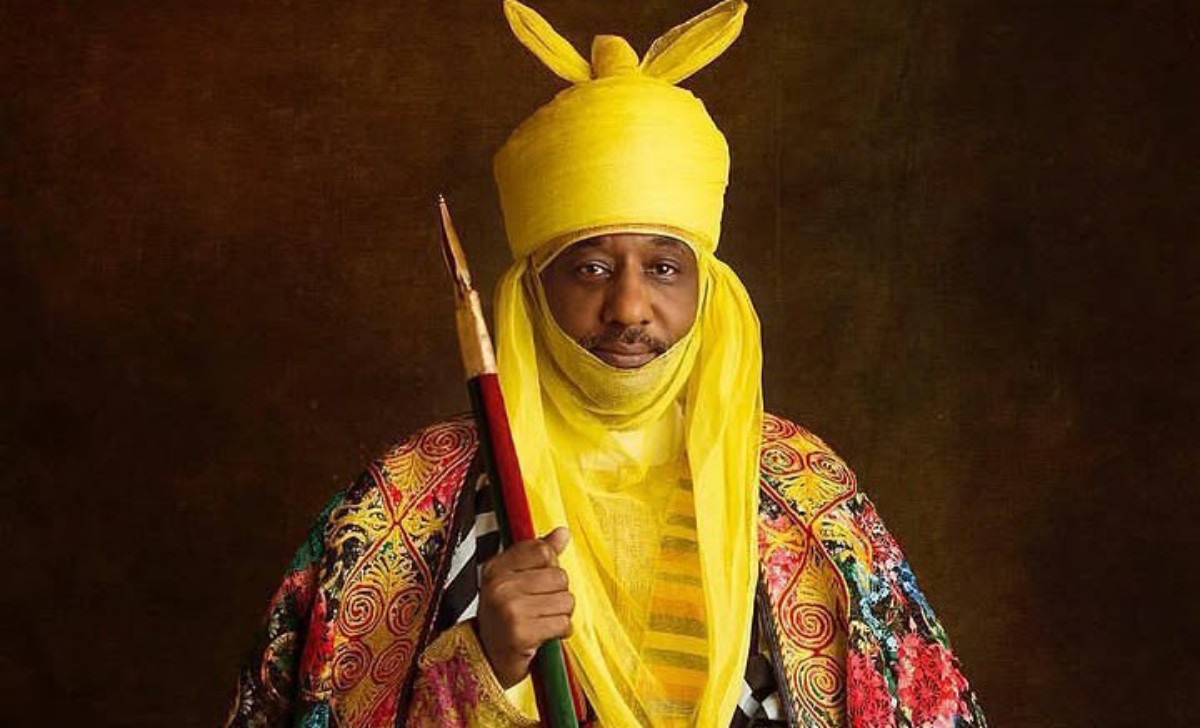
Muhammadu Sanusi II, the emir of Kano, has expressed new worries about the Federal Government’s rising debt load and questioned the justification for continuing to borrow money even after the petrol subsidy was eliminated.
The former governor of the Central Bank of Nigeria stated that important reforms like the elimination of subsidies and the liberalization of exchange rates were required, but he cautioned that their advantages could be undermined by poor sequencing and lax fiscal discipline in an interview that News Central TV published on Friday.
“I have always said the subsidy regime was unsustainable. We cannot continue supporting foreign refineries. We’re an oil-producing country. Keeping refineries open abroad while we’re not doing our own.”
“Today, we have a situation where we have our own domestic refinery. We’re not importing petroleum products. We’re even exporting to Europe, and this is very good for the economy,” he added.
He said, “Artificial exchange rates, especially when you’re printing money, cannot work. There was going to be a devaluation.
“For me, removing subsidy or liberalising exchange rates, these are good interventions. Were they done at the right time? Those are certain questions. Were there other things that should be done that have not been done? These are other issues.”
“It’s not enough to say, oh, they removed subsidy. You had to. When you get to a point where 100% of your revenue goes into debt service, you cannot continue. Where is the money going to come from?
“However, if you decide to remove subsidy and liberalise exchange rates in an environment of very loose monetary conditions, before you have tightened money supply, the Naira drops to a bottomless pit. That was a timing issue.”
“We’ve removed the subsidy. We’re now spending it. What we should not see is fiscal consolidation. You cannot remove wastages and continue borrowing. I’ve said this before. You need to see the benefits.
“If you’re not paying the subsidy and you’ve got the money, why are we still borrowing and borrowing? What are we borrowing for?” Sanusi questioned.
Sanusi’s concerns underscore the ongoing challenges Nigeria faces in managing its fiscal policies and economic stability. Despite the removal of subsidies, the continued borrowing raises questions about the country’s financial sustainability and the effectiveness of its economic reforms. Addressing these issues will require transparent governance, prudent fiscal management, and strategic planning to ensure that borrowing is sustainable and aligned with long-term development goals.
Without such measures, Nigeria risks exacerbating its debt burden and compromising future economic stability.
Related