







Advice
The Truth About the Seven-Year Itch and Why Some Marriages Do Not Survive It

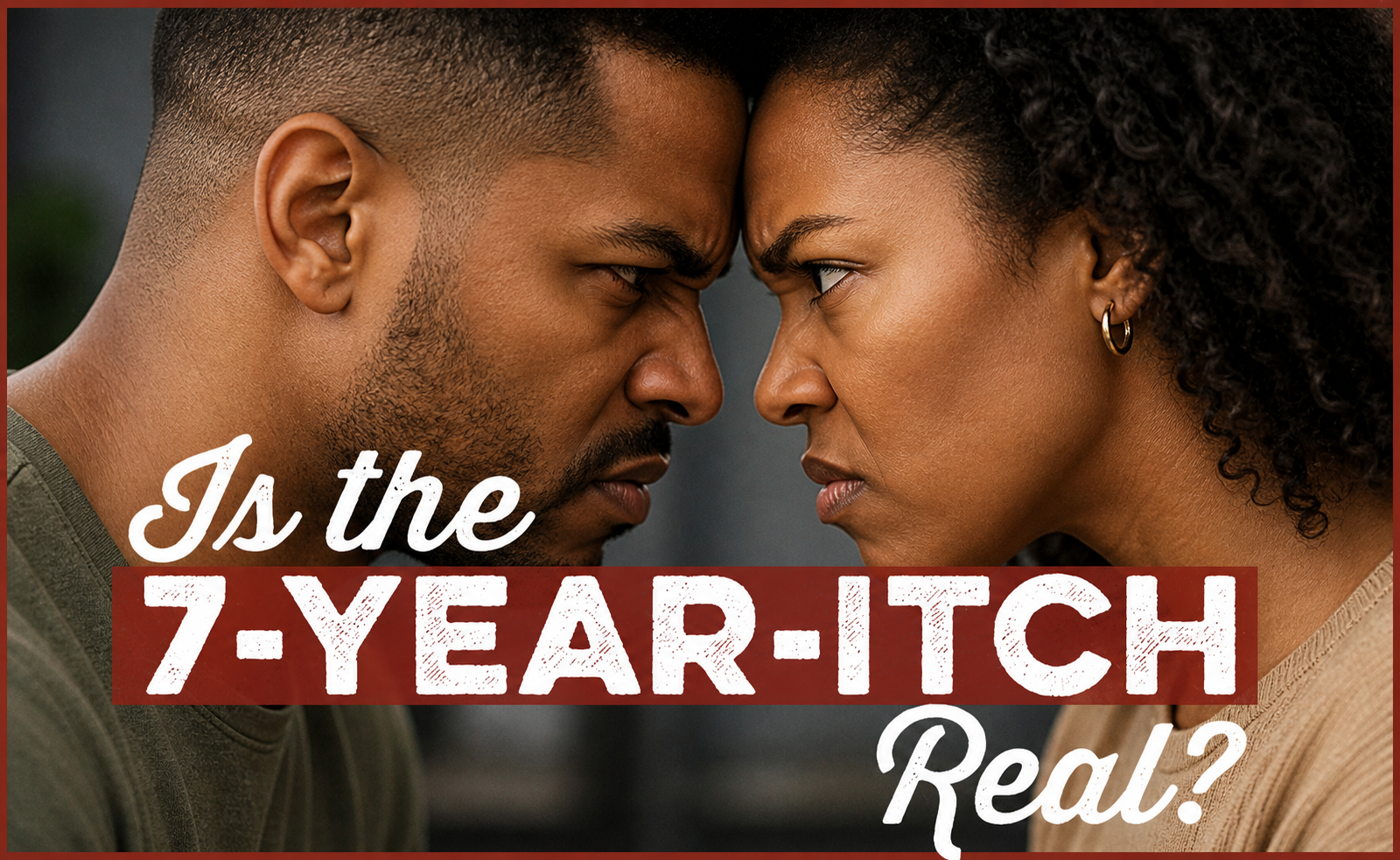
For many couples, marriage begins with excitement, passion and endless promises, but relationship experts warn that the period between the fifth and eighth year can quietly become one of the most difficult seasons for many unions. Often described as the “seven-year itch,” this phase has been linked to declining marital satisfaction, emotional distance, financial pressure and unresolved conflicts. But experts insist it does not have to end in heartbreak. Here is why many marriages struggle around the seven-year mark and how couples can come out stronger.
The “seven-year itch,” is a term that gained global attention after the 1955 Marilyn Monroe film of the same name. While experts note that it is not a strict scientific rule that every marriage will face difficulties exactly at seven years, several studies have shown that marital satisfaction often declines during this period, while divorce rates tend to rise between the fifth and eighth years of marriage.
Relationship counsellors explain that one of the major reasons many couples struggle during this period is the gradual loss of excitement that often follows the early honeymoon stage of marriage. The thrill of newly married life may begin to fade as daily responsibilities take centre stage. Careers become more demanding, financial pressures increase and household responsibilities begin to feel repetitive. What once felt exciting can gradually begin to feel predictable.
For many Nigerian couples, this phase can become even more demanding due to cultural expectations, extended family responsibilities and the pressure to maintain financial stability in a challenging economy. Raising young children, paying school fees, supporting relatives and trying to build long-term assets can place enormous strain on even strong relationships.
Experts also point to declining emotional and physical intimacy as a major contributor to marital dissatisfaction during this period. As communication weakens, couples may begin to function more like co-parents or housemates rather than romantic partners. Conversations become centred on bills, children and responsibilities, leaving very little room for emotional connection.
Another major challenge is unresolved conflict. Small disagreements that were ignored during the early years of marriage can slowly build into resentment. When frustrations remain unaddressed for years, emotional distance often follows.
Psychologists have also suggested that individuals evolve significantly over time. A person’s goals, personality and priorities at age 25 may be very different by age 32. When couples fail to grow together through these personal changes, they may begin to feel disconnected from one another.
Despite these challenges, experts insist that the seven-year period does not automatically signal the end of a marriage. In fact, many couples who successfully navigate this stage often emerge stronger and more emotionally secure. Research suggests that divorce risks often reduce after the tenth year of marriage as couples develop greater maturity and resilience.
Marriage therapists advise couples to be intentional about reconnecting before problems become overwhelming. Simple habits such as regular date nights, honest conversations and expressions of appreciation can help rebuild intimacy. Experts also encourage couples to openly discuss frustrations rather than allowing bitterness to grow.
Seeking professional support is also becoming increasingly common among modern couples. Marriage counselling and relationship coaching can provide practical tools to help couples improve communication and rebuild trust.
Experts say the most successful marriages are not necessarily those without problems, but those where both partners remain committed to growing through difficult seasons together.
For couples approaching the seven-year mark, the message from relationship experts is clear. A rough patch does not have to become a breaking point. With intentional effort, honest communication and mutual commitment, what feels like a difficult season can become the foundation for a stronger and healthier marriage.
Get social! Follow us for more news
Related