Latest News
Iran Names Khamenei’s Son Mojtaba New Supreme Leader

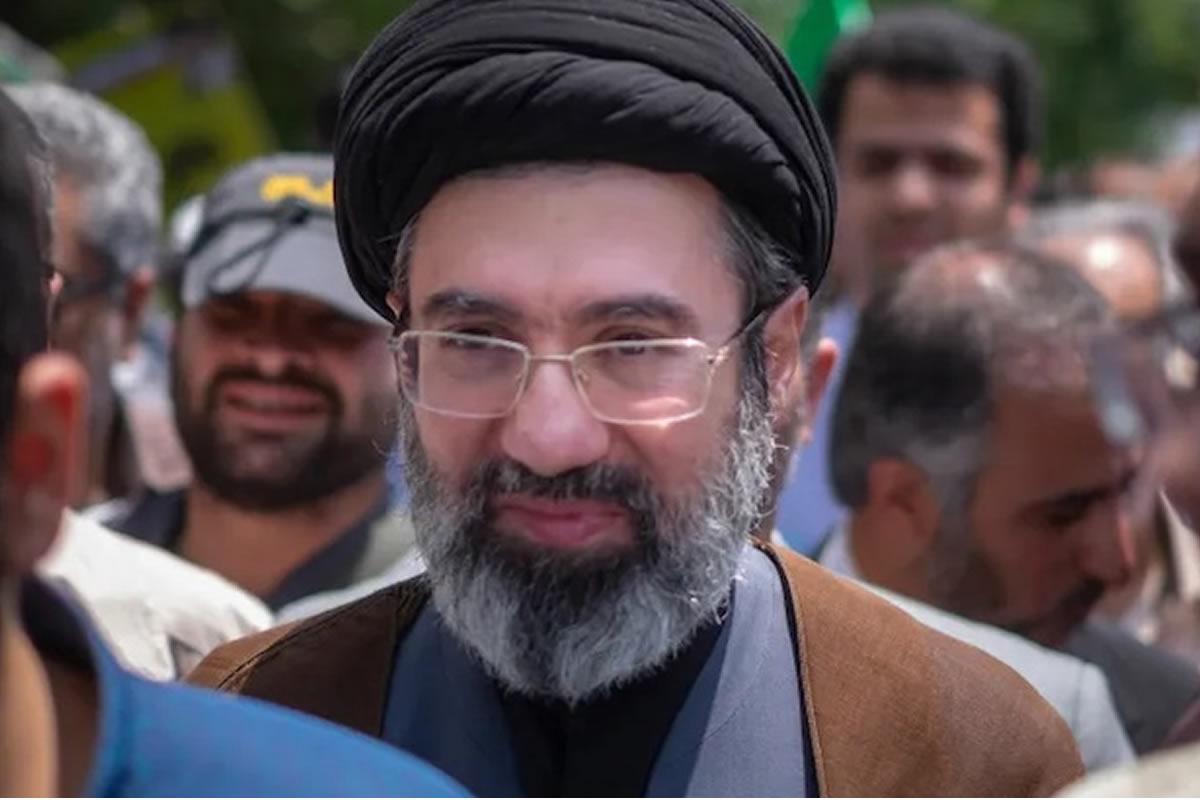
Iran has named Mojtaba Khamenei, the hardline son of the late Supreme Leader Ayatollah Ali Khamenei, as the country’s new supreme leader, marking a major development in the escalating conflict involving Iran, the United States and Israel.
The decision was taken by Iran’s Assembly of Experts, an 88-member clerical body responsible for appointing the country’s supreme leader, following the death of Ali Khamenei in a recent U.S.–Israeli strike during the ongoing regional conflict.
Mojtaba Khamenei, a cleric with close ties to Iran’s Islamic Revolutionary Guard Corps, now assumes ultimate authority over the country’s political system, armed forces and strategic programmes.
His appointment signals the continuation of hardline leadership in Tehran at a time when hostilities in the Middle East are intensifying and fears of a wider regional war are growing.
The leadership transition has also raised concerns internationally, as it represents the first time since Iran’s 1979 revolution that supreme leadership has effectively passed from father to son, prompting debate over possible dynastic succession within the Islamic Republic.
Meanwhile, global oil markets reacted sharply to the development and the broader regional instability. Oil prices surged above $100 per barrel, with Brent crude reportedly rising to about $108, driven by fears that the conflict could disrupt energy flows through the Strait of Hormuz, one of the world’s most critical oil shipping routes.
The escalation of hostilities has already caused significant casualties and damage across parts of the Middle East, with attacks reported on military installations and energy infrastructure in several countries.
Iranian authorities and military leaders have pledged loyalty to Mojtaba Khamenei, while officials in the United States and Israel have criticised his rise to power, warning that the conflict with Iran could intensify further.
Analysts say the leadership change, combined with the ongoing military confrontation, could reshape the geopolitical balance in the Middle East and heighten risks to global energy markets in the coming weeks.
Related