



Advice
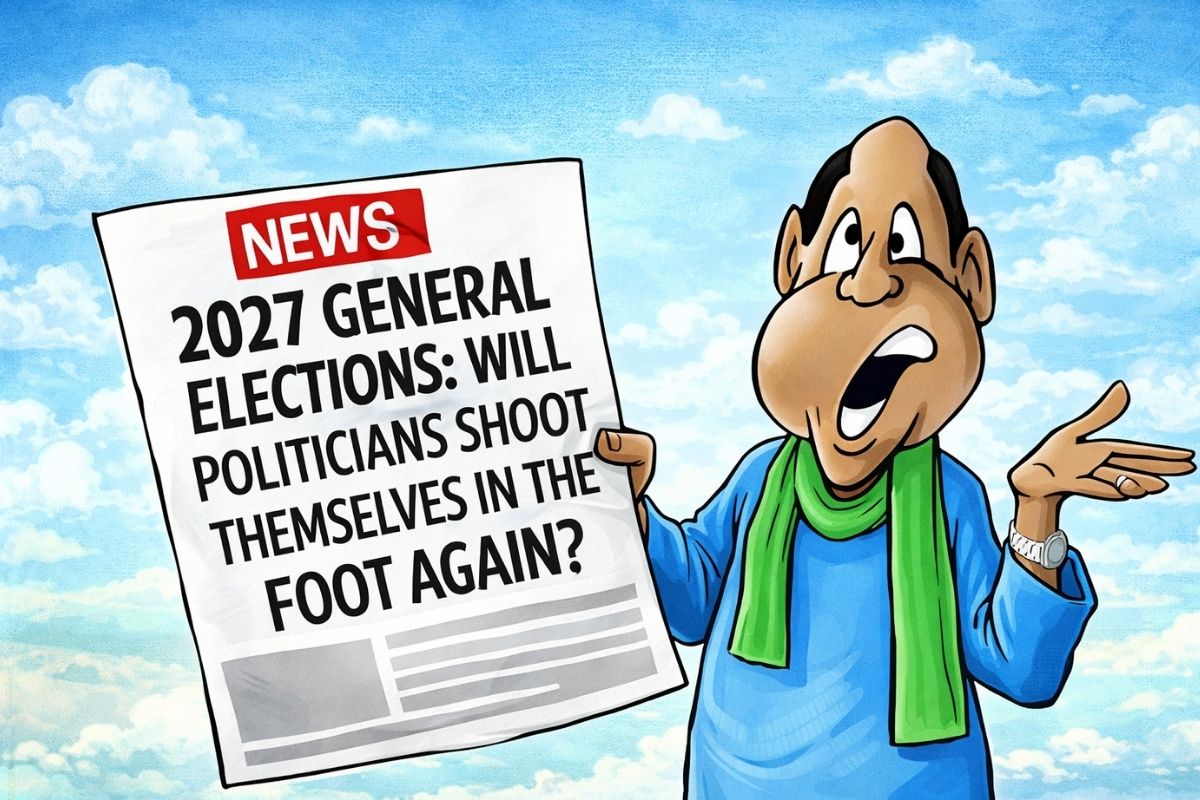
2027 General Elections: Will Politicians Repeat the Same Mistakes?

Recent political developments involving figures such as Daniel Bwala and Reno Omokri have sparked a renewed debate across Nigeria about the price of political survival and the question of consistency in public life. For many Nigerians, watching former outspoken critics suddenly emerge as defenders or representatives of the same leaders they once strongly opposed raises serious concerns about credibility in politics. As attention gradually turns to the 2027 general elections, the issue is no longer only about which party will win power. It is also about whether the political class will again damage its own credibility by chasing short term political benefits at the expense of long term public trust.
The case of Daniel Bwala is one that many Nigerians now reference in these discussions. As spokesperson for Atiku Abubakar’s presidential campaign during the 2023 elections, Bwala was a regular voice on national television where he strongly criticised President Bola Ahmed Tinubu. At the time, he raised several questions about Tinubu’s background, health and ability to lead the country. One of the most controversial moments came in January 2023 when he alleged that there were plans to create a political militia to influence the election. The claim later resurfaced during a recent interview with Al Jazeera’s Mehdi Hasan, where Bwala struggled to defend the earlier statement. His current role as Special Adviser on Policy Communication to the same president he once criticised has therefore attracted widespread public reaction. Many Nigerians point to old video clips from the campaign period which are now widely circulated online and used as evidence of what critics describe as a dramatic shift in position.
Reno Omokri’s situation has also drawn attention, though his path has taken a more international direction. For many years, Omokri was widely known as a strong critic of the ruling All Progressives Congress administration and often presented himself as a defender of public accountability. In the past, he openly stated that he would never work with the APC government. However, his appointment as Nigeria’s Ambassador to Mexico in early 2026 has changed the tone of public discussion around his political stance. Omokri has explained that he now serves the country and not a particular individual. Despite this explanation, critics note that he had previously questioned the legitimacy of the current administration. His recent praise of President Tinubu as a visionary leader has therefore been viewed by some observers as a sharp departure from his earlier public position.
These developments highlight a long standing reality in Nigerian politics. Alliances often change quickly, and today’s critics may become tomorrow’s allies depending on where power lies. For many voters, the lesson is clear. Political statements, whether critical or supportive, are often influenced by immediate political interests rather than firm principles. This reality calls for a more careful and questioning attitude among the electorate whenever politicians make strong claims about their opponents or offer glowing praise for those in power.
For younger politicians who hope to build lasting public credibility, these situations also carry an important lesson. Political engagement built mainly on personal attacks or emotional rhetoric may offer short term visibility but can become difficult to defend later. In today’s digital age, every speech, interview and social media post remains part of a permanent public record. What is said during the heat of an election campaign can easily return years later to shape public judgment about a politician’s character and consistency.
As the country gradually moves toward the 2027 elections, political actors may need to reflect more carefully on the long term impact of their words. The intensity of election campaigns often pushes politicians to make strong statements, but public memory has become sharper in an era where digital records are easily accessible. When political figures take positions that later contradict their actions, it does not only affect their personal reputation. It also weakens public confidence in the democratic process itself.
The 2027 elections may therefore become more than a contest for political power. It could also become a test of credibility and consistency. In the end, the candidates who gain the greatest trust may not necessarily be those who speak the loudest during campaigns, but those whose past statements and present actions show a clear and consistent record.
Get Social! Follow us for more news
Related